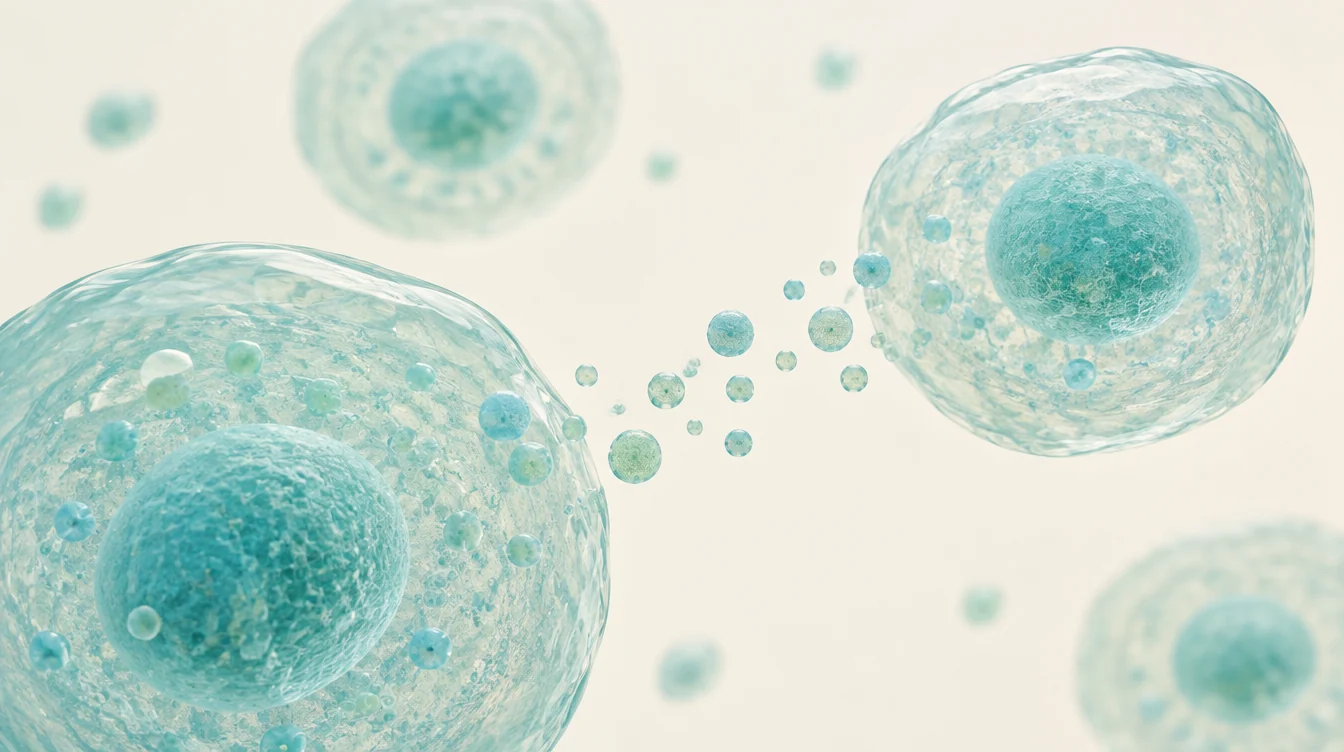
Dendritic cells help the immune system recognise targets. Dendritic cell therapy usually refers to cancer vaccine approaches designed to direct an immune response against tumour-associated antigens. It is an immune-cell treatment category, with evidence that varies by product and cancer type.
On this page
How cancer treatment vaccines work
Dendritic cells present antigens to other immune cells, helping direct an immune response. Treatment vaccines aim to help the immune system recognise cancer-related targets. They are intended for people who already have cancer, which distinguishes them from vaccines intended to prevent certain infections that can cause cancer.
A biological explanation is a starting point for research, not proof that a particular vaccine improves survival or controls a tumour. National Cancer Institute: cancer treatment vaccines.
What does the Provenge example tell us?
In the United States, sipuleucel-T (Provenge) has a specific indication: asymptomatic or minimally symptomatic metastatic castration-resistant prostate cancer. This is not a general approval for other cancers, other personalised vaccines or treatment in Thailand. FDA: Provenge (sipuleucel-T).
Provenge is an autologous cellular immunotherapy containing antigen-presenting cells and other immune cells. Blood cells are collected by leukapheresis, processed with a defined protein and returned to the patient. It is often discussed alongside dendritic cell vaccines, but should not be described as proof that every laboratory-made dendritic cell preparation is equivalent. FDA: questions and answers about Provenge.
What needs to be established before treatment?
Your oncology team should first confirm the cancer diagnosis, stage, prior treatments and current care plan. Ask whether the proposal is supported by evidence in people with the same cancer and treatment history. A response in another tumour type does not answer that question.
- What exact product is proposed and which antigens does it target?
- Is a tumour sample needed, and how will it be obtained?
- What collection and manufacturing steps are involved?
- Which study supports the proposed use and outcome?
- What alternatives should be considered at this point in care?
Bring pathology and molecular testing reports if available, imaging summaries and the full treatment history. Ask how the reviewing team wants to receive sensitive records.
Risks and treatment burden
Some cancer treatment vaccines can cause fever, chills, tiredness or other flu-like symptoms, and allergic reactions can occur. Effects vary with the vaccine and patient. National Cancer Institute: cancer treatment vaccines.
The practical burden can include collection visits, manufacturing time, treatment appointments and repeated monitoring. Request a product-specific explanation of collection risks, infusion or injection reactions and any risks from additional medicines. Ask what happens if manufacturing is unsuccessful or your cancer changes while waiting.
Obtain written instructions for fever and other urgent symptoms from your oncology team. Severe breathing difficulty, collapse or facial swelling requires immediate medical care. Do not use a routine enquiry channel for emergencies.
Considering an assessment in Thailand
Before paying or travelling, ask for written confirmation of the treating specialist, facility and the proposed use’s regulatory status in Thailand. If offered as research, request the trial identifier, ethics oversight, consent document and study-team contact.
The estimate should distinguish consultation, sample collection, manufacturing, administration, imaging and follow-up. Ask about cancellation, failed manufacturing and complication costs. Agree who communicates with your regular oncologist and who continues monitoring after you return home.
Keep established cancer care in place unless your treating team advises a change. An assessment may conclude that another treatment or a properly matched clinical trial is more appropriate.
Frequently asked questions
Is this a vaccine that prevents cancer?
This page discusses therapeutic vaccines for people with cancer. It does not describe routine preventive vaccination.
Does a personalised vaccine guarantee a response?
No. Personalisation describes how a treatment is prepared; it does not establish that it improves a patient’s outcomes.
Is dendritic cell therapy the same as NK cell therapy?
No. Dendritic approaches focus on antigen presentation, while NK approaches use a different immune-cell type and strategy.
Can I arrange this treatment through the website?
Start by asking about specialist assessment and current availability. This page does not confirm that a particular vaccine or protocol is offered by the clinic.
Ask about an assessment
Contact Thailand Stem Cell Clinic to ask about the review process, current availability and how to share relevant records. Confirm the responsible clinician, proposed treatment and follow-up arrangements before booking.
Browse all treatment guides · Understand evidence levels
Sources
- National Cancer Institute: cancer treatment vaccines
- FDA: Provenge (sipuleucel-T)
- FDA: questions and answers about Provenge
General educational information, not an individual treatment recommendation. A clinician who knows your history should assess your options. External sources describe their own products, research and jurisdictions; they do not establish availability or authorisation at this clinic.